|
My neighbor is growing a milkweed in their front yard. Flowers look Asclepia-esque, but wasn't sure what species. Then I saw the plant on The Great Human Race, when they filmed in the Arabian Desert and was able to ID it. Calotropis procera, a milkweed relative. My neighbor's Calotropis is about 7 feet tall. It has large felty silver leaves. |
 |
Showing posts with label asclepiads. Show all posts
Showing posts with label asclepiads. Show all posts
08-29-2016—Calotropis procera

08-05-2016—Flower du Jour
|
Stapelia divaricata flower |
 |
 |
|
Cymbopogon citratus (lemon grass) flowers. Many non-gardeners think grasses don't have flowers, but of course they do. Grass flowers are designed for movement—not for the pleasure of birds, bees, or humans. Wind-pollinated plants are a visual reminder of the unseen forces of air. Need to watch Onibaba again, where grasses dominate the screen. Good Halloween movie. Putting on queue for October, just a couple months away. |
 |
 |
07-09-2016—Naked Milkweeds
|
Monarch caterpillars have eaten tropical milkweeds down to sticks. Native milkweeds (A. speciosa and fascicularis) remain untouched. |
 |
 |
|
Since then, I've seen monarch caterpillars in strange places, looking for their next meal—on the driveway, exterior stucco, and pictured below on Lepisorus bicolor. |
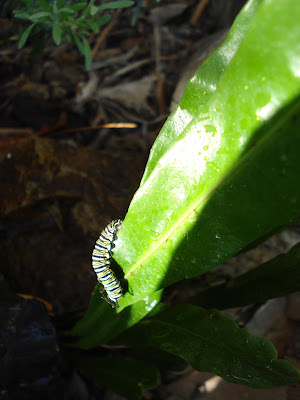 |
| Update 07-15-2016: Unbeknownst to me the monarch caterpillar formed chrysalis on fern. I saw the butterfly emerging. |
Subscribe to:
Posts (Atom)